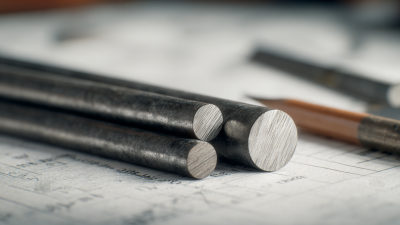
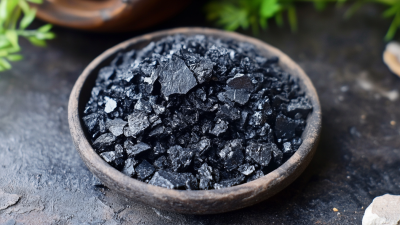
Hey, you know, in today’s industrial world, choosing the right materials can really make or break how smoothly things run. Take graphite electrodes, for example — they’re pretty much a game-changer because of their amazing electrical conductivity and ability to withstand heat. I read somewhere that Dr. Emily Sanderson, who’s pretty much an expert in this field, said that 'Graphite electrode technology has totally transformed the way industries handle metal production.' Crazy, right? And with the global market for these electrodes expected to hit around $10.5 billion by 2025, it’s clear that industries need to get a good grasp on their benefits.
The performance of these graphite electrodes isn’t just a minor detail — it directly affects how things like steel manufacturing and electric arc furnaces work. A recent report from Research and Markets pointed out that demand for top-quality graphite electrodes is skyrocketing, especially because electric steelmaking is on the rise. This shift points to a move towards more sustainable and efficient practices, and graphite electrodes are at the heart of that. That said, it’s not just about having the right materials — companies need to be careful about where they source their raw materials since not all products are equal in quality.
Of course, even though graphite electrodes are highly regarded, there are some challenges. Differences in quality between suppliers can lead to performance issues. So, it’s really important for businesses to do their homework and choose their materials wisely. When reliability is everything, understanding the ins and outs of these electrodes can really make a difference in overall success.

Understanding Graphite Electrode: Definition and Composition
Graphite electrodes are vital for many industrial applications, especially in electric arc furnaces. These electrodes are primarily made from high-grade petroleum coke and a binding agent, usually pitch. Their composition gives them unique properties, such as high thermal and electrical conductivity. Uhp Graphite Electrode, specifically, stands out for its ultra-high performance, making it ideal for steel production.
The manufacturing process involves two main stages: calcination and graphitization. During calcination, raw materials are heated to remove volatile components. Then, in graphitization, the material is subjected to even higher temperatures, which aligns the carbon structure. This process enhances the electrode's performance but requires precise control. Variations in temperature can lead to defects, affecting the final product.
Understanding the structure of graphite electrodes can provide insight into their performance capabilities. The arrangement of carbon atoms plays a crucial role in their mechanical strength. However, imperfections can arise due to inconsistent raw material quality or fluctuations in the manufacturing process. It's essential to consider these factors when choosing electrodes for demanding applications.
Key Benefits of Using Graphite Electrodes in Industrial Applications
Graphite electrodes have become essential in various industrial applications. Their unique properties make them a preferred choice for many businesses. For instance, these electrodes can withstand high temperatures, making them ideal for electric arc furnaces. This durability ensures efficient melting of scrap steel and other metals.
Another key benefit of graphite electrodes is their excellent electrical conductivity. This characteristic allows for a consistent and reliable flow of electricity. Businesses can count on this efficiency during critical operations. However, the reliance on these materials also requires careful monitoring. Quality can vary, impacting performance and productivity.
Despite their advantages, it’s noteworthy that not all graphite electrodes are created equal. Factors like purity and density can affect their lifespan. Industries must remain vigilant about sourcing quality materials to avoid costly downtimes. Proper research and investment in the right electrodes can lead to significant improvements in operational efficiency.
Key Benefits of Using Graphite Electrodes in Industrial Applications
This chart illustrates the key benefits of using graphite electrodes in industrial applications, highlighting their advantages in conductivity, thermal resistance, longevity, and versatility.
Comparative Analysis: Graphite Electrodes vs. Other Conductive Materials
Graphite electrodes play a crucial role in various industries, particularly in steel production. Their excellent electrical conductivity and thermal stability make them a preferred choice over other conductive materials like copper and aluminum. For instance, a recent industry report indicated that graphite electrodes can withstand temperatures exceeding 3000°C, significantly higher than that of conventional materials. This capability enhances their performance in electric arc furnace (EAF) operations.
When comparing graphite electrodes to alternatives, the cost-effectiveness becomes evident. Copper, while highly conductive, is significantly more expensive and leads to higher operational costs. A leading market analysis reveals that using graphite electrodes can reduce energy consumption by up to 20%. This not only lowers production costs but also aligns with sustainability goals. However, the production of graphite electrodes involves complex processes that can impede scalability, an area needing attention in future developments.
Another point of consideration is the environmental impact. While graphite electrodes are generally regarded as efficient, sourcing natural graphite raises concerns. Reports show that some suppliers may not adhere to sustainable mining practices. Thus, stakeholders must evaluate the supply chain and consider sourcing from a responsible Graphite Electrode Plant. This ensures that the benefits of using graphite electrodes do not come at an environmental cost.
Why Choose Graphite Electrode for Your Industrial Needs?
| Material Type |
Electrical Conductivity (S/m) |
Thermal Conductivity (W/mK) |
Mechanical Strength (MPa) |
Applications |
| Graphite Electrode |
104 - 129 |
120 - 200 |
40 - 90 |
Electrometallurgy, Arc Furnaces |
| Copper |
59.6 x 10^6 |
385 |
210 |
Wiring, Electrical Connectors |
| Aluminum |
37.7 x 10^6 |
235 |
90 |
Electrical Conductors, Heat Exchangers |
| Silicon Carbide |
3 x 10^4 |
120 - 170 |
150 - 250 |
High-Temperature Applications |
Manufacturing Process of Graphite Electrodes: An Overview
The manufacturing process of graphite electrodes is complex and demands meticulous attention to detail. It begins with the selection of raw materials, mainly petroleum needle coke and pitch. These materials are critical. They influence the final properties of the electrodes. According to a report by Grand View Research, the global graphite electrode market is expected to reach $13.7 billion by 2025, underscoring the growing demand for these essential components.
The raw materials undergo carbonization. This stage requires heating them to high temperatures in a controlled environment. After carbonization, the material is graphitized. This process involves even higher temperatures, often exceeding 3,000 degrees Celsius. The result is a highly conductive and desirable product. However, this process is energy-intensive and can lead to significant carbon emissions, raising sustainability concerns.
After graphitization, electrodes are shaped and machined to required specifications. Quality checks are performed to ensure consistency and reliability. Despite advancements, some manufacturers still face challenges in maintaining uniform quality. Reports suggest that discrepancies in electrode performance can lead to operational inefficiencies. The importance of stringent quality control cannot be overstated as it directly impacts the performance of electric arc furnaces in steel production.
Applications of Graphite Electrodes in Different Industries
Graphite electrodes play a vital role in various industries. Their unique properties make them ideal for high-temperature applications. In steelmaking, graphite electrodes are essential for electric arc furnaces. They facilitate the melting of scrap metal, providing efficient energy transfer. The durability of graphite allows it to withstand extreme conditions, ensuring consistent performance.
In the aluminum sector, these electrodes are crucial during production processes. They help in the reduction of alumina to aluminum. High-quality electrodes contribute to lower energy consumption. This leads to more sustainable practices in manufacturing. Awareness of the properties of Graphite Electrode Scrap can help in recycling efforts. Proper disposal can enhance environmental sustainability.
Tips: Always consider the specific requirements of your application. Choosing the right graphite electrode can impact efficiency. Keep in mind that proper maintenance and storage are essential. Regular checks can prevent performance issues. Balancing costs and quality is vital for long-term success.
Factors to Consider When Choosing Graphite Electrodes
When selecting graphite electrodes for industrial applications, several crucial factors come into play. The quality of the raw material is paramount. High-purity petroleum or needle coke is vital for optimal performance. According to industry reports, electrodes with a carbon content of 99.9% or higher can improve efficiency in electric arc furnaces by up to 15%.
Another essential consideration is the electrode geometry and size. Different sizes may influence energy consumption and melting rates. For instance, larger electrodes generally provide greater current-carrying capacity, which can lead to reduced operational costs. Moreover, the ability to withstand thermal shock is critical. Reports indicate that electrodes with better thermal stability last longer, potentially increasing production uptime.
The manufacturing process also impacts electrode performance. Pay attention to the baking and graphitization temperatures. Variations can affect electrical conductivity. Data shows that electrodes processed at higher temperatures exhibit superior performance. Regular quality checks during production can prevent inconsistencies that may arise, highlighting the need for diligence in sourcing and quality assurance.
Future Trends: Innovations in Graphite Electrode Technology
The graphite electrode industry is experiencing significant innovations. New manufacturing techniques improve efficiency and reduce costs. Advanced materials are developed to enhance performance. These trends lead to lighter, stronger, and more durable graphite electrodes. Improved thermal conductivity and resistance to oxidation are key features of these advancements.
The future holds numerous possibilities for Graphite Carbon Electrode technology. Researchers explore the integration of nanomaterials to increase strength. There is also a focus on sustainable sourcing and recycling. These innovations aim to reduce environmental impact and improve life cycle performance. However, there are challenges. The complexity of new materials can complicate production processes, demanding further research.
Moreover, the rising demand for electric arc furnaces requires adaptation. Industry experts see an urgent need for enhanced electrode formulations. This continual evolution is crucial for meeting modern industrial needs. Companies must stay ahead of these trends to maintain competitiveness. Each breakthrough could reshape how graphite electrodes are used in various applications. Embracing innovation while addressing potential pitfalls will be vital for success.
Industry Insights: High Temperature Resistance in Graphite Lubricants and Their Applications in Advanced Manufacturing
High temperature resistance plays a critical role in the performance of graphite lubricants, particularly in advanced manufacturing applications. These lubricants not only provide exceptional friction reduction but also withstand extreme thermal conditions, ensuring that machinery operates smoothly even under the most demanding scenarios. This unique property facilitates improved efficiency and longer operational life for manufacturing equipment, making graphite lubricants a favored choice in industries where durability and reliability are paramount.
In the realm of metallurgy and foundries, the introduction of graphite recarburizers has revolutionized steel production strategies. By significantly enhancing the carbon content during steel melting and casting processes, these materials deliver superior results. Moreover, their ability to optimize resource utilization is truly transformative. By increasing the incorporation of scrap steel, graphite recarburizers can minimize or completely eliminate the reliance on pig iron, allowing for a more sustainable approach to metal production. This innovative method not only enhances the quality of the final product but also contributes to environmental sustainability by reducing waste and resource consumption.
The versatility of graphite extends beyond metallurgy, finding applications in the manufacturing of essential components such as brake pedals and friction materials. This capability emphasizes the broad utility of graphite in various sectors, showcasing its importance across multiple industries. As advanced manufacturing continues to evolve, the integration of high-performance graphite lubricants and recarburizers becomes increasingly vital, allowing for enhanced efficiency, sustainability, and innovation.
FAQS
: Graphite electrodes are used in steelmaking and aluminum production, among others. They are vital for high-temperature applications.
They facilitate scrap metal melting in electric arc furnaces, ensuring efficient energy transfer during the process.
High-quality electrodes reduce energy consumption and support more sustainable manufacturing practices during production.
Consider raw material quality, electrode size, geometry, and thermal shock resistance for optimal performance.
Larger electrodes generally have a greater current capacity, potentially lowering operational costs and enhancing melting rates.
Baking and graphitization temperatures can dramatically impact electrical conductivity and overall performance of electrodes.
Innovations include advanced materials, improved thermal conductivity, and sustainable sourcing, which aim to enhance performance and reduce impact.
The complexity of new materials can complicate production processes, requiring extensive research and adaptation.
Regular checks and proper storage can prevent performance issues, highlighting the importance of diligence in maintenance practices.
Awareness of electrode properties can lead to better recycling practices and enhance overall environmental sustainability.
Conclusion
Graphite electrodes are vital components in various industrial applications, primarily known for their excellent electrical conductivity and thermal stability. Comprised of high-quality carbon, these electrodes offer significant advantages over other conductive materials, such as improved efficiency and lower resistance. Understanding their manufacturing process is essential, as it involves precise control over composition and quality to meet industrial demands.
As industries continue to evolve, the applications of graphite electrodes expand across sectors like steel manufacturing and electric arc furnaces. When selecting the right graphite electrodes, it is important to consider factors such as material quality, specifications, and environmental impact. Looking ahead, ongoing innovations in graphite electrode technology promise to enhance performance, making them an increasingly valuable asset in the industrial landscape.