Lately, there’s been quite a bit of chatter around energy storage options, and Cathode Carbon has definitely been a hot topic. Dr. Emily Green from Carbon Technologies mentioned that, ‘The potential of Cathode Carbon is only starting to be understood,’ which honestly sounds about right—there's a lot of promise, but also quite a bit of uncertainty. It’s one of those things where we’re still figuring out what’s really possible.
With the push for more sustainable energy storage systems, materials like Cathode Carbon are gaining a lot more attention. They could really boost how well batteries work, which is pretty exciting. That said, there are still some hurdles, especially when it comes to producing it at scale and keeping costs down. The industry’s kind of caught between pushing innovation forward and making sure everything is practical.
And, on top of that, the lack of standardized testing methods means results can be all over the place. A lot of companies are just playing it by ear, trying different approaches. While Cathode Carbon has some clear perks, there are still questions about how efficient and reliable it really is. Striking that balance between potential benefits and real-world limitations is going to be key as we move forward.
Cathode carbon plays a crucial role in energy storage systems. It forms a key component in batteries and supercapacitors. By enhancing conductivity, cathode carbon improves the efficiency of energy storage. It allows for faster charge and discharge cycles. These attributes make it essential for modern energy solutions.
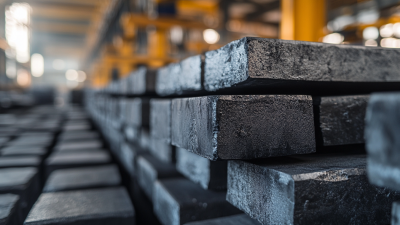
In many systems, the use of Cathode Carbon Blocks can significantly enhance performance. These blocks not only increase the surface area but also help in maintaining structural integrity. However, the production of cathode carbon blocks often comes with challenges. Sourcing high-quality materials can be difficult. Moreover, the manufacturing process can be costly and time-consuming.
Additionally, cathode carbon may not always deliver the expected performance in every application. Some energy storage solutions may require different materials for optimal results. It's essential to continually assess how cathode carbon can improve specific systems. This ongoing evaluation will encourage innovation and better solutions in energy storage technologies.
This bar chart illustrates the energy storage capacity of various cathode carbon materials used in energy storage solutions. The data emphasizes the varying effectiveness of different carbon types, showcasing graphene's superior capacity compared to others.
Cathode carbon materials play a crucial role in battery technology, particularly in energy storage solutions. Commonly used materials include graphite, hard carbon, and graphene. Graphite remains the most popular choice due to its high conductivity and stability. Recent studies indicate that natural graphite can deliver capacities around 370 mAh/g. This performance makes it an essential component in many lithium-ion batteries.
Hard carbon is increasingly gaining traction for sodium-ion batteries. This material can achieve a specific capacity of approximately 250 mAh/g. The unique structure of hard carbon allows for sodium ions to intercalate effectively, making it a promising alternative. Graphene, on the other hand, offers exceptional conductivity but is often limited by production costs and scalability. Research from the International Battery Association shows that integrating graphene can increase energy density by up to 35%.
Tips: When considering cathode carbon materials, focus on their specific capacities and compatibility with your battery design. Experimenting with blends of these materials can lead to improved performance. The quality control in a Cathode Carbon Block Plant is also vital to ensure consistency in material properties. Always remain aware of the environmental impact of sourcing these materials.
Cathode carbon plays a significant role in lithium-ion batteries. It influences capacity, cycle life, and energy density. Understanding these performance metrics is essential for optimizing battery technology.
A key metric is conductivity. High conductivity allows for better electron movement within the battery, boosting overall performance. Another important factor is the surface area of cathode carbon. Larger surface areas facilitate more reactions. However, achieving a balance between conductivity and surface area can be challenging.
Stability is also crucial. Some carbon materials degrade over time, impacting battery efficiency. Research is ongoing to improve stability without sacrificing performance. The challenge lies in finding the right material combination. This is an area where continuous innovation is necessary. Scientists must explore new structures and composites. There is still much to learn and refine in cathode carbon applications for energy storage.
Cathode carbon presents notable advantages over conventional materials in energy storage systems. One significant benefit is its high conductivity. This property allows for quicker electron transfer, enhancing overall efficiency. Devices utilizing cathode carbon often show improved power output. Faster charging times can be achieved, making them ideal for modern energy demands.
Additionally, cathode carbon is lightweight. This reduces the overall weight of energy storage units, which benefits electric vehicles and portable devices. However, the sourcing of cathode carbon is sometimes debated. Its production methods must be evaluated for environmental impact. While it has many advantages, manufacturers must ensure sustainable practices are followed.
Another point of consideration is cathode carbon’s stability. It can endure higher temperatures compared to traditional materials. This contributes to longer operational lifespans. Yet, its performance can vary based on production techniques. Optimizing these methods is crucial for maximizing its benefits in energy storage solutions. More research is necessary to fully understand its potential while addressing any drawbacks.
Cathode carbon has shown great promise in energy storage solutions. Recent reports indicate that its efficiency can exceed 80% in lithium-ion batteries. This performance boost stems from the material's excellent conductivity and large surface area. Thus, cathode carbon can store and release energy swiftly. Its application may lead to faster charging times and extended battery life.
One innovative application is in supercapacitors. These devices utilize cathode carbon to achieve power densities of up to 10 kW/kg. This enhances energy retrieval in applications ranging from electric vehicles to renewable energy storage. However, challenges remain. Some carbon materials face an issue of stability over repeated charging cycles. Researchers are exploring alternatives to improve durability without compromising performance.
Environmental impact is another consideration. While producing cathode carbon can generate emissions, recycling used batteries can mitigate this issue. Currently, about 90% of lithium-ion batteries are recyclable, offering a pathway to sustainability. The quest for optimal cathode carbon is ongoing. Scientists strive to balance efficiency, cost, and environmental friendliness.
The use of cathode carbon in energy storage solutions faces several challenges. One notable issue is its manufacturing process. Cathode Carbon Block Manufacture requires advanced technologies and precise conditions. If these conditions are not met, the quality of the carbon blocks may deteriorate. This can affect not only performance but also longevity in applications.
Another obstacle is the cost of raw materials. High-quality carbon sources can be expensive. This raises the overall manufacturing cost. Additionally, the environmental impact of sourcing and processing these materials cannot be ignored. It compels manufacturers to find sustainable alternatives, which often complicates the production process.
Performance-related limitations also exist. Cathode carbon's conductivity can vary significantly under different conditions. Temperature fluctuations may further exacerbate these inconsistencies, affecting efficiency. Researchers need to address these hurdles. Finding reliable solutions is vital for the future of energy storage technologies.
The development of cathode carbon materials is crucial for energy storage solutions. Industry reports suggest that the global market for energy storage systems will reach $620 billion by 2027. This growth reflects a rising need for efficient, high-capacity storage. Cathode carbon plays a significant role in enhancing the performance of batteries, particularly in lithium-ion technologies.
Recent data indicates that cathode carbon can improve energy density by 20% compared to traditional materials. These improvements suggest that cathode carbon possesses great potential. Many new innovations focus on scalability and sustainability. However, challenges remain. The production processes for cathode carbon need refinement. Current methods often lead to high costs and environmental concerns. A deeper understanding of raw materials is essential.
We should consider the implications of using cathode carbon in energy storage. For instance, adopting Wholesale Cathode Carbon Block can address supply chain issues. Yet, relying heavily on one material could pose risks. Market fluctuations might impact availability. Industry stakeholders must navigate these uncertainties carefully. The future of cathode carbon looks promising but is not without obstacles.
The advancement of aluminum production is significantly influenced by the use of high-performance graphitized cathode carbon blocks. These specialized materials are engineered to enhance the electrochemical processes that occur during aluminum smelting, leading to improved efficiency and reduced energy consumption. By optimizing the properties of these carbon blocks, manufacturers can achieve greater conductivity and durability, which are essential for maintaining optimal operating conditions in electrolytic cells.
High-performance graphitized cathode carbon blocks not only contribute to enhanced production rates but also assist in minimizing environmental impacts associated with aluminum manufacturing. Their superior thermal stability and resistance to oxidation result in longer service life, which reduces the frequency of replacements and, consequently, the overall carbon footprint of the operation. Furthermore, the improved performance of these blocks allows for a more stable electrolytic process, which can lead to better-quality aluminum and lower operational costs.
As the demand for sustainable aluminum production escalates, investing in advanced materials such as graphitized cathode carbon blocks is critical. These innovations support the industry’s goal of achieving both economic viability and responsible environmental stewardship, ensuring that aluminum production can meet future needs without compromising ecological integrity.
: Cathode carbon influences capacity, cycle life, and energy density in batteries. It is essential for optimizing performance.
High conductivity allows for better electron movement, boosting overall battery performance.
A larger surface area facilitates more reactions in the battery, enhancing its efficiency.
Some materials degrade over time, impacting battery efficiency. This necessitates ongoing research.
Its efficiency can exceed 80%, enabling faster charging times and extended battery life.
Stability issues arise over repeated charging cycles. Researchers are seeking durable alternatives.
Production can generate emissions, but battery recycling helps mitigate environmental concerns.
Innovations focus on scalability and sustainability amid high costs and environmental concerns in production.
If costs remain high, it could hinder widespread adoption in energy storage solutions.
The global market for energy storage may reach $620 billion by 2027, reflecting a growing demand.
Cathode Carbon plays a pivotal role in advancing energy storage systems, particularly in lithium-ion batteries. By exploring the various types of cathode carbon materials, we can assess their performance metrics and overall efficiency compared to conventional materials. The advantages of using cathode carbon include enhanced conductivity, increased energy density, and improved cycle stability, making it an attractive option for modern battery technology.
Innovative applications of cathode carbon are emerging, driving next-generation energy storage solutions toward greater sustainability and efficiency. Despite its potential, challenges and limitations remain, including scalability and cost-effectiveness. Future trends suggest ongoing development in cathode carbon composition and processing techniques, promising to further elevate its role in energy storage systems and contribute to the transition towards cleaner energy technologies.