The 139th Canton Fair really presents a great opportunity for businesses in the metallurgy world, especially those involved in making Recarburizers. From what recent reports say, the global market for Recarburizers is expected to hit around $1.8 billion by 2025 — and it’s growing steadily as manufacturers look for ways to improve their steel quality. This event will showcase top suppliers, giving a good sense of how the Recarburizer scene is evolving.
Walking through the busy exhibition halls, you'll see many companies sharing their latest innovations—whether it’s new sourcing methods or improvements in manufacturing tech. Attendees will also have access to AI-powered tools that make finding suppliers like Carbon Additives Co. and Bakar Carbon Solutions a lot easier. These firms are really pushing to meet industry standards, like ISO and CE certifications, and are putting serious resources into staying ahead of the game.
That said, it’s important to take some things with a grain of salt. Some suppliers might overhype their Recarburizer Plant capabilities — so buyers really need to do their homework. Direct conversations and thorough research are key to making sure you’re getting the real deal. Overall, this fair’s a perfect place to build those essential connections within the steelmaking supply chain and get a clearer picture of what's out there.

Overview of Recarburizers and Their Importance in Industry
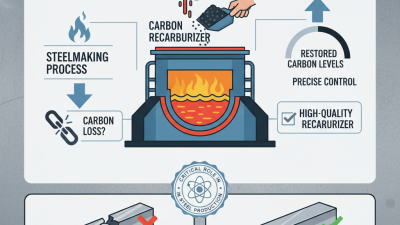
Recarburizers play a crucial role in the metallurgical industry. They are essential for adjusting carbon content in steel and iron. With the demand for high-quality steel increasing, the need for efficient recarburization has never been greater. According to industry reports, the global recarburizer market is projected to reach $1.2 billion by 2025.
Different types of recarburizers are used in various applications. Materials like petroleum coke and graphite are common. However, the quality of these materials can vary. Inconsistent quality might lead to steel defects and increased production costs. Some manufacturers struggle to source high-purity recarburizers due to fluctuating market conditions.
Moreover, the impact of eco-friendly alternatives is significant. As industries seek greener practices, the exploration of sustainable options emerges. Yet, these alternatives often lack the performance consistency compared to traditional materials. It's a complex balancing act between performance and sustainability, which the industry must navigate carefully.
Key Features to Look for in Quality Recarburizers
When considering quality recarburizers, several key features come to mind. Look for the purity levels in the materials. High-quality recarburizers typically contain a high carbon content. This drives efficiency, leading to better performance in steelmaking processes. Impurities can significantly affect the final product. Thus, checking certifications is essential.
Another important aspect is the particle size distribution. Consistent and optimal particle sizes enhance uniformity during mixing. This can lead to smoother processes and fewer issues down the line. Variations in size might cause challenges in achieving desired results. Reliable suppliers focus on providing products with controlled sizes.
Lastly, evaluate the packaging and delivery methods. Proper packaging protects the product from moisture and environmental factors. Consider how suppliers handle logistics and whether they ensure timely delivery. Delays can negatively impact operations. Reviewing customer feedback can provide insight into supplier reliability, but it may not always give a complete picture. Striking a balance between these features is crucial for choosing the best recarburizer for your needs.
Criteria for Selecting Top Recarburizer Suppliers
Selecting top suppliers of Carbon Recarburizer at trade fairs requires careful consideration. The demand for high-quality recarburizers has been growing steadily, driven by the steel and iron industries. According to recent market reports, the global carbon recarburizer market is expected to reach $1.3 billion by 2025, highlighting the significance of reliable suppliers.
When assessing suppliers at the Canton Fair, look for those who prioritize quality control. Certifications and compliance with international standards are key indicators. Transparency in sourcing materials and production processes is essential. Additionally, innovative suppliers often utilize advanced technologies that can enhance product performance. This focus on technical advancement can be a game changer.
Price competitiveness is crucial but shouldn't overshadow quality. Some suppliers may offer lower prices, raising concerns about their material integrity. Gathering client testimonials can provide insights into their reliability. Don't hesitate to ask for sample products. Evaluate the quality before making decisions. Collecting feedback from other users is also effective. Ultimately, the right balance between cost and quality will guide you toward the best Carbon Recarburizer suppliers at the fair.
Highlights of the 139th Canton Fair for Recarburizer Suppliers
The 139th Canton Fair showcased a variety of suppliers in the recarburizer sector. This event provided an excellent platform for networking and exploring new partnerships. Many manufacturers gathered to highlight their products and capabilities in Recarburizer Manufacture. Attendees noticed a diverse range of items, all aimed at improving steel production processes.
One striking feature was the innovation displayed. Suppliers introduced cutting-edge techniques for enhancing recarburizer quality. However, some presentations lacked clarity. Potential clients often found themselves sifting through dense information, seeking practical applications. The fair included interactive booths, yet not all were engaging. Engaging materials and live demonstrations could improve the experience.
Unexpectedly, the discussion topics at the fair shifted. Instead of focusing solely on products, suppliers addressed sustainability. The need for greener practices in recarburizer manufacture is clear. It was refreshing, yet some questions lingered. How will suppliers balance sustainability with industry demands? Attendees left with more questions than answers. Overall, the fair provided insightful glimpses into the future of the recarburizer market.
Top 10 Recarburizer Suppliers Showcased at the Canton Fair
The 139th Canton Fair highlighted a variety of suppliers, particularly in the recarburizer sector. Among them, a range of companies presented their products with a focus on Low Sulphur Recarburizer options. Attendees noticed physical samples that allowed them to evaluate quality and performance directly.
Some exhibitors showcased innovative techniques in production. Their approach ensured a consistent supply of high-quality materials. However, a few suppliers seemed to struggle with engaging effectively with potential clients. This highlights an area for improvement in communication and marketing strategies.
The fair also facilitated discussions on industry trends. Many visitors shared insights on how low sulphur recarburizers can meet the increasingly stringent regulatory standards. This ongoing dialogue emphasized the need for suppliers to adapt continuously. The dynamic nature of the market requires them to innovate consistently to remain competitive.
Top 10 Recarburizer Suppliers Showcased at the Canton Fair
| Rank |
Country |
Annual Capacity (tons) |
Main Application |
Quality Assurance Certification |
| 1 |
China |
100,000 |
Steel Manufacturing |
ISO 9001 |
| 2 |
India |
80,000 |
Foundry |
ISO 14001 |
| 3 |
USA |
75,000 |
Metal Processing |
ISO 45001 |
| 4 |
Germany |
60,000 |
Automotive Industry |
DIN EN ISO 9001 |
| 5 |
Brazil |
50,000 |
Construction |
ISO 9001 |
| 6 |
Japan |
55,000 |
Electronics |
ISO 14001 |
| 7 |
Russia |
40,000 |
Heavy Machinery |
ISO 45001 |
| 8 |
South Korea |
70,000 |
Shipbuilding |
ISO 9001 |
| 9 |
Italy |
45,000 |
Glass Production |
ISO 9001 |
| 10 |
France |
30,000 |
Aerospace |
EN 9100 |
Comparative Analysis of Supplier Offerings and Innovations
The 139th Canton Fair has showcased a dynamic selection of recarburizer suppliers, reflecting significant innovations in the industry. Recent market analysis indicates that the global recarburizer market was valued at approximately $2.3 billion in 2022, with an expected growth rate of 5.4% annually. This presents a compelling backdrop for suppliers aiming to differentiate themselves.
One notable aspect is the emphasis on quality and sustainability. Some suppliers have introduced eco-friendly products, utilizing recycled materials. Reports indicate that about 25% of new suppliers at the fair are focusing on sustainable solutions. This is a positive trend, but many still rely on traditional methods, highlighting a gap in innovation.
Additionally, the price disparity remains a challenge. Suppliers are competing on cost, but lower prices can compromise quality. A recent report revealed that around 30% of buyers prioritize price over quality. This dangerous precedent could lead to long-term issues in material performance. The balance of cost, quality, and innovation is crucial for the industry’s future.
Future Trends in Recarburizer Supply and Demand Dynamics
The supply and demand dynamics of recarburizers have been evolving. Company needs are shifting due to market conditions. Many industries rely on Iron Casting Recarburizer for quality metal production. Manufacturers face challenges in sourcing materials, which can impact output.
Recent trends indicate that demand for high-quality recarburizers is increasing. Producers seek to enhance the carbon content of their metals. Pricing fluctuations pose significant challenges. Suppliers must adapt quickly to maintain stability. The competition among suppliers is heating up.
Regulatory changes may also affect supply chains. Sustainability practices are gaining importance. More companies are looking for eco-friendly recarburizers. However, not all suppliers are equipped to meet these demands. This gap could create opportunities but also risks. A closer examination of supplier capabilities is essential for future planning.
Exploring the Benefits and Applications of High Carbon Calcined Petroleum Coke as a Recarburizer in Steel Manufacturing
High carbon calcined petroleum coke (CPC) is becoming increasingly important in the steel manufacturing sector, particularly as a recarburizer. This material enhances the carbon content in steel-melting and casting processes, allowing manufacturers to achieve the desired metallurgical properties of steel. According to industry reports, the use of recarburizers like CPC can increase the efficiency of steel production, leading to not only cost savings but also improved performance of the final product. Studies indicate that incorporating CPC can raise the carbon levels significantly, making it a preferred choice among steel producers.
Moreover, high carbon calcined petroleum coke offers versatility beyond steelmaking. It plays a crucial role in foundries, helping to augment the scrap steel content while reducing the dependency on pig iron, or even eliminating the need for scrap metal altogether. This shift not only optimizes the raw material mix but also aligns with sustainable manufacturing practices, contributing to a lower carbon footprint. Furthermore, CPC is also utilized in the production of brake pedals and friction materials, showcasing its multifunctionality across various applications.
As manufacturers continue to face challenges such as fluctuating raw material costs and the push for greener production methods, high carbon calcined petroleum coke stands out as a strategic solution. Its ability to enhance the quality and reduce costs of steel products makes it an invaluable asset in the ever-evolving landscape of metallurgy and foundry operations.
FAQS
: Focus on high carbon content for efficiency and performance in steelmaking. Certifications verify material quality.
Consistent particle sizes improve uniformity in mixing, leading to smoother processes and fewer production issues.
Packaging must protect against moisture. Timely delivery is essential to avoid operational delays.
Prioritize suppliers with strong quality control, certifications, and transparency in their processes.
No, quality should not be sacrificed for lower prices. Assess material integrity alongside cost.
Yes, there's a growing emphasis on sustainability, with some suppliers using recycled materials.
Gather client testimonials and ask for sample products to evaluate their offerings before committing.
A price focus can compromise quality, potentially causing long-term performance issues in materials.
The global market is projected to grow at a rate of 5.4% annually, reflecting strong demand.
Many suppliers still depend on traditional methods, limiting their potential for sustainable improvement.
Conclusion
The 139th Canton Fair showcased a diverse range of recarburizer suppliers, highlighting their significant role in various industries. Recarburizers are crucial for enhancing the carbon content in steel and iron production, ensuring desired material properties. When evaluating quality recarburizers, it is essential to consider key features such as purity, particle size, and sourcing standards.
The fair provided insights into the criteria for selecting top suppliers, including product innovation and reliability. Attendees witnessed an array of offerings that reflected the latest trends in recarburizer supply and demand dynamics. As industries evolve, the demand for high-quality recarburizers continues to grow, indicating a promising future for suppliers who can meet the changing needs of the market.