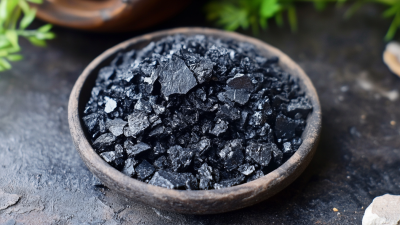
In today’s rapidly changing energy world, finding high-quality Green Petroleum Coke has become pretty much a top priority for lots of industries. I remember Dr. Emily Thompson, who’s a real expert in this area, once said, “The quality of Green Petroleum Coke can really make or break how efficiently and sustainably energy is produced.” As companies try to reduce their environmental impact, the need for top-grade Green Petroleum Coke keeps climbing.
Getting hold of this material isn’t always easy, though. It’s super important to find trustworthy suppliers who focus on quality and eco-friendly practices. Many businesses struggle with making sure they’re actually getting products that meet the strict standards they need. Using poor-quality Green Petroleum Coke can cause operational hiccups and drive up costs — nobody wants that. So, building good relationships with reliable suppliers is kind of a must to dodge these issues.
Plus, it’s really helpful to understand the different specs and applications for Green Petroleum Coke. Different industries might need different grades, and not everyone offers the same quality. Doing some thorough research and evaluation upfront can make all the difference. When you put in that effort, you’re much more likely to find a Green Petroleum Coke source that fits both your operational needs and your environmental goals.

Understanding Green Petroleum Coke and Its Importance in Industry
Green petroleum coke (GPC) is a crucial material in various industries. It's primarily used in aluminum production, steel manufacturing, and as a fuel source. According to a report by Grand View Research, the global GPC market is projected to grow at a CAGR of 5.8% by 2025. This reflects its importance in energy-intensive sectors. GPC is derived from the oil refining process. Its high carbon content makes it a valuable resource.
The production of GPC is linked to petroleum refining, which means its quality depends on refining practices. Not all GPC is the same; quality can vary significantly. Some grades of GPC exhibit low sulfur and metals, making them ideal for electrode production. Others may not meet stringent industry standards. Poor quality can lead to production inefficiencies.
Sourcing high-quality GPC requires deep industry knowledge. Understanding the specifications desired by your application is critical. Conducting rigorous supplier assessments can help ensure that the material meets the necessary quality standards. Features including volatile content, particle size, and ash levels should guide procurement decisions. Inconsistent quality could hamper operations, leading to unnecessary costs and waste. Engaging in regular market analysis is beneficial, as it keeps you informed about price fluctuations and sourcing challenges.
Identifying the Key Properties of High-Quality Green Petroleum Coke
When sourcing high-quality green petroleum coke (GPC), it's essential to understand its key properties. GPC is primarily characterized by its carbon content, sulfur levels, and volatile matter. A high carbon content, ideally above 90%, indicates the material's suitability for various industrial applications. Low sulfur levels are crucial to reduce emissions during fuel combustion. Optimal GPC should have sulfur content below 2%, according to industry standards.
Pay attention to the particle size distribution. GPC with uniform particle size enhances efficiency in processes like aluminum smelting. The American Society for Testing and Materials (ASTM) provides guidelines on the desired specifications, ensuring the product meets necessary performance criteria.
Tips: Consider sourcing GPC from suppliers who offer detailed analysis reports. These reports can verify carbon and sulfur content, ensuring compliance with your production needs. Engage with suppliers who have a proven track record in quality assurance.
Quality may vary between suppliers. Conducting a test batch before committing to significant orders is wise. This helps assess the material's performance in your specific applications. Remember, constant evaluation of your supplier's quality is crucial to maintaining the standards of your production.
High Quality Green Petroleum Coke Properties
Where to Find Reliable Suppliers of Green Petroleum Coke
Finding reliable suppliers of green petroleum coke is essential for any business in this sector. The global green petroleum coke market is projected to grow by USD 3.5 billion from 2021 to 2026, according to industry reports. Sourcing high-quality materials can significantly impact production and cost efficiency.
To locate trustworthy suppliers, consider attending industry trade shows. Networking at these events can lead you to reputable wholesalers. Online platforms specialized in bulk materials can also yield valuable contacts. Look for suppliers with proven track records and positive reviews from industry peers. It’s crucial to assess their quality control processes. Some suppliers may not meet your specific quality requirements, so thorough vetting is essential.
Tip: Always request sample products before making bulk orders. This allows for quality assurance and can prevent costly mistakes. Negotiate prices, but be cautious of deals that seem too good to be true. Striking the right balance between cost and quality is vital. The goal should be to ensure sustainability while managing expenses effectively.
Evaluating the Quality Standards for Green Petroleum Coke
When sourcing green petroleum coke (GPC), quality evaluation is paramount. GPC is produced by heating oil to high temperatures. The resulting material is carbon-rich and essential for various industrial processes. The quality of GPC can significantly impact end products. Therefore, understanding its quality standards is crucial.
Key factors to consider are sulfur content, volatile matter, and ash levels. High sulfur levels can lead to emissions issues during combustion. Volatile content affects the coke’s stability and performance. Ideally, GPC should have low levels of ash to ensure maximum purity. Each batch of GPC should be rigorously tested against these parameters to ensure compliance.
Many suppliers may not meet these exacting standards. Relationships with reliable sources are vital. Regular audits and testing of materials can mitigate risks. Scrutinizing certificates of analysis can provide an initial sense of trust, but this is just a starting point. Always remain vigilant for variations in quality. Adjustments may be needed in the sourcing process based on consistent assessment results.
Negotiating Contracts and Pricing with Green Petroleum Coke Suppliers
When negotiating contracts and pricing with green petroleum coke suppliers, clear communication is essential. Start with defining specifications. What grade of green petroleum coke do you need? For instance, low-sulfur variants could fetch a premium price. The demand for low-sulfur green petroleum coke has surged, with recent reports indicating an estimated growth rate of 4.5% annually in this segment. Understanding market trends aids in making informed decisions.
Consider the logistics as well. Transportation costs can affect your bottom line significantly. Some suppliers may offer "Cheap Green Petroleum Coke," but hidden freight charges can offset savings. Use this to leverage better pricing. Ask for freight quotes from multiple carriers. Additionally, discuss payment terms openly—early payments for discounts can be favorable for both parties.
Building a solid relationship with suppliers requires continuous dialogue. Regular check-ins on quality and pricing can lead to more favorable terms in future contracts. It's important to reflect on your past experiences, examining both successes and failures. Did certain suppliers consistently meet expectations? Document these interactions. Data will empower your negotiations and help you establish reliability.
Logistics and Transportation Considerations for Green Petroleum Coke
Logistics play a critical role in sourcing high-quality green petroleum coke. Efficient transportation is essential for maintaining the integrity of the product. When handling green petroleum coke, one must ensure proper storage to prevent contamination and degradation. This involves using suitable containers and maintaining optimal conditions during transit.
Shipping methods vary based on distance and accessibility. Sea freight can be economical for long distances, but monitor shipments closely. Delays can lead to quality issues, especially if moisture is introduced. Alternatively, land transportation offers speed but may increase costs. Balancing cost and timeliness is vital for your business strategy.
Another key consideration is the regulatory environment. Ensure compliance with local regulations for transporting this material. Failure to adhere to these rules can lead to penalties and disruptions. Documenting every step of the logistics process adds a layer of reliability. It is crucial to build partnerships with reputable logistics providers. These interactions often reveal gaps in your supply chain management. Prioritize transparency in your communication to ensure the Best Green Petroleum Coke reaches your operation consistently.
Compliance and Environmental Regulations for Sourcing Green Petroleum Coke
When sourcing high-quality green petroleum coke, compliance with environmental regulations is crucial. The International Energy Agency reports that petroleum coke production contributes significantly to greenhouse gas emissions. Businesses must understand regional regulations impacting the sourcing process to ensure compliance. These regulations vary across countries and regions, promoting sustainable practices.
Many producers now focus on eco-friendly practices to minimize their carbon footprints. Data from the U.S. Environmental Protection Agency indicates that stricter emissions standards help reduce the environmental impact of sourcing petroleum coke. Companies should assess their suppliers' compliance with these standards. Transparency in sourcing practices not only builds trust but also aligns with global sustainability targets.
However, sourcing Discount Green Petroleum Coke can present challenges. Not all low-cost options meet environmental standards. This creates a dilemma for businesses balancing cost and compliance. Ensuring quality while adhering to regulations is essential. A thorough evaluation of suppliers can mitigate risks and lead to more responsible sourcing decisions.
Conclusion
Green Petroleum Coke (GPC) is a critical material in various industries, particularly in aluminum production and fuel. Understanding GPC and its significance is essential for businesses looking to integrate it into their operations. Key properties of high-quality GPC include its low sulfur content and desired physical characteristics, which are paramount for performance.
To source GPC effectively, businesses should identify reliable suppliers, assess quality standards, and engage in thoughtful negotiation regarding contracts and pricing. Logistics and transportation play significant roles in ensuring timely delivery, while compliance with environmental regulations is crucial for sustainable sourcing practices. By focusing on these aspects, businesses can successfully incorporate high-quality Green Petroleum Coke into their supply chain, enhancing productivity and maintaining industry standards.