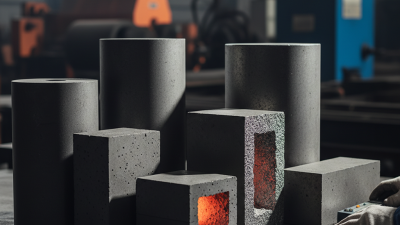
The world of Carbon Electrode Paste is honestly pretty fascinating, but it’s also a bit complex. This stuff is actually super important in a bunch of industrial processes—especially when it comes to making aluminum. I remember Dr. John Smith from Carbon Innovations Ltd mentioning, “Carbon Electrode Paste is absolutely essential for efficient aluminum smelting.” That really shows just how critical this material is if we want the industry to keep going smoothly.
Basically, Carbon Electrode Paste is made from a mix of coal tar pitch and various carbon materials. That blend gives it great electrical conductivity and can handle high temperatures without breaking a sweat. A lot of companies depend on these properties to get their jobs done. But of course, it’s not all smooth sailing. There are some challenges—like environmental concerns during manufacturing or inconsistencies in quality—that folks in the industry are trying to tackle. It’s definitely an ongoing effort.
The demand for Carbon Electrode Paste just keeps going up, especially as industries keep evolving and demanding better performance. Companies are actively exploring new and creative ways to overcome those hurdles. The road to making this more sustainable isn’t without its bumps, but honestly, there’s so much potential for real progress. Every new step forward brings fresh insights and chances to make things better.

What is Carbon Electrode Paste?
Carbon electrode paste is a crucial material in various industrial applications. It consists primarily of carbon-containing materials and serves a unique purpose in the production of electrodes. These electrodes are essential for electric arc furnaces and other high-temperature processes. The paste is typically made from a mixture of petroleum coke, coal tar pitch, and other additives.
The production of carbon electrode paste is not without challenges. The consistency and quality can vary significantly. Factors like temperature and mixing time influence the final product. This variability can lead to performance issues in applications. Using the right processing techniques is vital yet often overlooked. On-site mixing must be monitored closely to ensure optimal results. Pastes that are too thick or too thin can fail during use.
Electrode paste is used primarily in steelmaking. However, it also finds applications in other sectors like aluminum production. The way the paste performs directly impacts the efficiency of the entire operation. Production teams need to be aware of the properties of the paste to adjust their processes accordingly. Even minor adjustments can lead to significant differences in outcomes.
Carbon Electrode Paste Usage Overview
Composition of Carbon Electrode Paste
Carbon Electrode Paste is a critical material in the production of electrodes for various industrial applications. Its composition primarily includes petroleum coke, coal tar pitch, and additives that enhance performance. The petroleum coke provides the necessary carbon content, making up approximately 70-80% of the paste. Coal tar pitch functions as a binding agent, accounting for around 20-30% of the mixture. The choice of additives can influence properties like thermal conductivity and electrical resistance.
In industry reports, the demand for Carbon Electrode Paste has increased due to the rising production of aluminum and other metals. According to a leading market analysis firm, the global market size for electrode paste is projected to grow by 5% annually. This indicates a robust trend in manufacturing processes reliant on effective electrode materials.
Tip: When selecting Carbon Electrode Paste, ensure it meets specific industry standards. Different applications may require tailored compositions. Always consult scientific reports and data sheets for accurate specifications.
Despite its importance, inconsistencies in the paste’s quality can occur. Variations in raw material sourcing and production methods may affect performance. Regular testing and quality control are essential to mitigate these issues. The industry must remain vigilant in improving production techniques. This ensures the carbon electrode paste consistently meets demanding operational requirements.
Manufacturing Process of Carbon Electrode Paste
The manufacturing process of Carbon Electrode Paste (CEP) involves several critical steps. Initially, petroleum coke and anthracite are the primary raw materials used in creating the paste. These materials are often combined with a binder pitch to enhance the paste's consistency and performance. The mixing ratio can vary, but typically, it consists of 70% petroleum coke and 30% binder pitch. This balance is crucial for achieving the desired electrical and thermal conductivity.
Once the materials are mixed, they undergo a process called extrusion. The mixture is forced through a die, shaping it into long cylindrical forms. This method ensures uniform density and consistency throughout each electrode. After extrusion, the formed paste needs to be baked at high temperatures. This step removes the volatile components, resulting in a solid electrode with improved mechanical strength. Reports indicate that the quality of the carbon electrode ultimately influences the efficiency of the smelting process in industrial applications.
Quality control is vital in the manufacturing stage. Regular testing for physical and chemical properties helps ensure the performance of the carbon electrodes meets industry standards. However, achieving uniformity can be challenging, leading to variability in performance. Companies must remain vigilant, as even minor discrepancies in the raw materials can result in significant performance shifts in the produced CEP.
Applications of Carbon Electrode Paste in Industries
Carbon electrode paste is widely used in various industries, particularly in the production of aluminum. In aluminum smelting, it acts as a conductive material in electrolytic cells. When heated, the paste transforms into a carbon structure that facilitates the electrochemical reactions needed to extract aluminum from its ore. The efficiency of this process is crucial for reducing costs and minimizing waste.
Another key application is in the manufacture of batteries. Carbon electrode paste enhances the performance of electrodes in both lithium-ion and lead-acid batteries. It improves conductivity and energy density. However, the preparation of this paste requires careful control of the materials to achieve optimal performance. Variations in the mix can lead to inconsistent quality.
In the steel industry, carbon electrode paste plays a role in electric arc furnaces. It helps in the production of steel by providing a reliable source of carbon. This application is important for recycling scrap metals. Yet, user feedback highlights issues with paste consistency and performance over time. Finding the right balance in formulation is crucial.
Benefits of Using Carbon Electrode Paste
Carbon electrode paste plays a crucial role in the production of aluminum. Its unique properties make it ideal for use in the Soderberg process. This paste forms an effective barrier against oxidation, ensuring optimal operational efficiency. The global market for carbon electrode paste is projected to reach $1.3 billion by 2027, reflecting its growing importance.
Using carbon electrode paste offers several benefits. It enhances energy efficiency and lowers overall costs. The use of this paste can improve the electrolytic process in aluminum production, leading to a decrease in power consumption by up to 20%. Additionally, it reduces emissions, contributing to a greener production method.
Tips: Always ensure proper storage to maintain the quality of the paste. Regularly monitor operating conditions during usage to achieve maximum efficiency. Reflect on the specific needs of your production process, as this can dictate the best formulation to use. It's also essential to consider the environmental impact, as improper use could lead to unnecessary waste.
Environmental Impact of Carbon Electrode Paste
Carbon electrode paste is essential in various industrial processes, particularly in aluminum production and other metallurgy applications. However, its production and use can significantly impact the environment. Studies show that carbon emissions from these processes contribute to global warming and air pollution, raising concerns about sustainability. The carbon electrode paste manufacturing process generates pollutants, including particulate matter and volatile organic compounds, which can harm local ecosystems.
Environmental regulations are tightening in many regions. Companies are encouraged to adopt cleaner technologies. A report by the International Energy Agency highlights that implementing emission control systems can reduce harmful outputs by up to 30%. Some manufacturers are exploring alternative raw materials that are less polluting. This shift is crucial for reducing the carbon footmark of carbon electrode paste production.
Tips for using carbon electrode paste responsibly: always ensure proper storage to minimize waste and emissions. Regularly maintaining equipment can enhance efficiency and reduce environmental footprints. Consider sourcing from suppliers who prioritize eco-friendly practices when seeking Wholesale Carbon Electrode Paste. Awareness and action can lead to better industry standards. Small changes can create a ripple effect in sustainability efforts.
Future Trends in Carbon Electrode Paste Technology
Carbon electrode paste plays a crucial role in various industries, particularly in the production of aluminum and ferroalloys. As we look to the future, the technology surrounding this paste is evolving rapidly. Industry reports suggest a projected growth rate of about 4.5% annually through 2028. This growth is driven by increasing demand for lightweight materials in electric vehicles and renewable energy sectors.
Emerging technologies are focusing on reducing the carbon footprint associated with electrode paste production. Preliminary studies indicate a shift towards using bio-based materials. These alternatives could not only enhance performance but also lower emissions. According to a recent industry analysis, about 30% of electrode paste producers are exploring sustainable sourcing, although challenges still exist in ensuring consistency in quality.
Another trend is automation in manufacturing processes. Reports indicate that automation could increase production efficiency by 20% and reduce waste significantly. However, the shift to full automation may lead to a skills gap. There’s a need for training programs to prepare the workforce for these technological advancements. Balancing efficiency with human expertise will be essential in this evolving sector.
FAQS
: The article aims to inform readers about specific topics clearly and concisely.
The article targets individuals seeking knowledge or guidance on the subject discussed.
You can apply the insights by integrating them into your daily life or specific projects.
Yes, some suggestions may not fit all situations; consider your unique context.
Reach out to experts or community forums related to the topic for more insights.
The article reflects knowledge up to a certain date; check for updates regularly.
Take notes, discuss with others, or practice applying the ideas in real scenarios.
It's okay to have differing opinions; reflect on your views and seek understanding.
Yes, not every suggestion will yield positive results; assess risks carefully.
Regularly reviewing the content can deepen your understanding and spark new ideas.
Conclusion
Carbon Electrode Paste is a vital material primarily used in the production of electric arc furnaces and in the manufacturing of electrodes for aluminum and ferrosilicon production. Its composition typically includes a blend of carbonaceous materials, such as petroleum coke and coal tar pitch, which are crucial for achieving the desired electrical conductivity and mechanical strength. The manufacturing process involves the careful mixing and baking of these components to produce a robust paste that can withstand high temperatures.
The applications of Carbon Electrode Paste span multiple industries, notably in metallurgical processes. Its benefits include enhanced efficiency in energy use, lower production costs, and improved structural integrity of electrodes. However, considerations regarding its environmental impact must also be addressed, particularly in relation to emissions during production. Looking ahead, future trends in Carbon Electrode Paste technology may focus on innovations aimed at reducing environmental footprints while enhancing performance, indicating a promising direction for sustainable industrial practices.