When it comes to metal casting, the kind of melting equipment you choose really matters—it can make a big difference in both how efficient your process is and the quality of the final product. One of the top players in this game is the graphite crucible. If you wanna check it out, here’s a link. According to a report from Smith Industry Insights, more than 70% of foundries are now using graphite crucibles. Why? Well, because they’re fantastic in terms of thermal conductivity and durability. Industry expert John Miller, a well-known metallurgist over at HighTech Foundry, always says, “Graphite Crucibles offer unbeatable performance in those really high-temperature applications,” and honestly, it’s hard to argue with that.
But it’s not just about melting—these crucibles also keep contamination low and help maximize melting yields. Many foundries have actually reported cutting metal losses by up to 15% when they switch to graphite crucibles, compared to more traditional options. That said, I won’t pretend it’s all smooth sailing—initial costs can seem pretty steep, and some smaller businesses might be hesitant. Still, in the long run, those benefits tend to outweigh the upfront expense, making folks really rethink their initial choices. Thanks to their clever design and efficiency, graphite crucibles have become pretty much essential in modern metal casting. Just a word of caution though—without proper handling and routine maintenance, their lifespan can take a hit, so it’s worth taking good care of them to get the most out of your investment.

Overview of Graphite Crucibles in Metal Casting
Graphite crucibles play an essential role in metal casting. These containers are specifically designed to withstand the high temperatures needed to melt various metals. Their unique properties make them ideal for the casting process. The thermal conductivity of graphite allows for even heating, which is critical for proper melting.
Using graphite crucibles has some advantages. They resist thermal shock, making them durable under extreme heat. This durability means fewer replacements and lower costs over time. Graphite can also withstand oxidation, which makes it a preferred material in high-temperature work.
**Tip:** When choosing a graphite crucible, consider the size and shape needed for your project. Smaller crucibles can be more efficient for quick melts.
However, working with graphite is not without challenges. If mishandled, these crucibles can break or chip. Care is needed during use and storage. Proper maintenance can extend the life of your crucible significantly.
**Tip:** Always inspect your crucibles for cracks or wear before use. This can help avoid unwanted failures during the casting process.
Enhanced Thermal Conductivity for Efficient Heating
Graphite crucibles play a pivotal role in metal casting. One of their standout features is enhanced thermal conductivity. This property allows for more efficient heating and melting of metals. According to a 2022 industry report, the thermal conductivity of graphite is more than twice that of conventional materials. This translates to faster energy transfer during the melting process.
Efficiency is critical in metal casting. With graphite crucibles, the entire process can be streamlined. This not only saves time but reduces energy consumption by up to 30%. However, reliance on graphite can lead to issues. For instance, improper handling may introduce contamination risks. This can affect the quality of the final product, making it crucial for foundries to ensure strict handling practices.
The ability of graphite to withstand high temperatures is impressive, reaching up to 3000°C. Yet, this does not mean it’s invincible. Over time, repeated thermal cycling can cause wear and degradation. Such deterioration can influence the thermal performance, which is essential for successful metal casting. Foundries must continuously monitor and evaluate the condition of crucibles to maintain optimal efficiency.
Superior Resistance to High Temperatures and Oxidation
Graphite crucibles are essential in metal casting. Their design allows them to withstand extreme temperatures. These crucibles excel in resisting oxidation, a common challenge in high-heat environments. As metal melts, the right containment is vital. Graphite's natural properties support this need effectively.
High temperatures can be damaging. However, graphite crucibles maintain their integrity during intense heat. They don’t warp or degrade easily. This durability reduces the risk of contamination. Casting metals in such conditions often leads to better results. The lifespan of a graphite crucible is longer than many alternatives.
At a Graphite Crucible Plant, the importance of quality is clear. Each crucible must meet specific standards. Minor flaws can lead to significant issues later on. Conducting quality checks ensures that the products perform well under pressure. Foundries rely on these heat-resistant vessels to produce high-quality metal components.
Durability and Longevity: Reducing Replacement Costs
Durability is a crucial factor in metal casting. The use of Carbon Graphite Crucibles significantly enhances longevity. These crucibles withstand high temperatures and thermal shocks better than many alternatives. This resistance reduces the frequency of necessary replacements. Fewer replacements lead to lower costs over time.
Another advantage is the ability of carbon graphite crucibles to maintain their structural integrity. Unlike other materials that may crack or warp under stress, these crucibles remain stable. This stability is essential for consistent metal casting results. However, users should still monitor for wear and tear. Neglecting small cracks can lead to larger issues down the line.
Using carbon graphite crucibles can also impact the quality of the metal. Impurities can affect the final product. Therefore, it is vital to ensure that these crucibles are kept clean and well-maintained. While the benefits are significant, manufacturers need to be aware of the potential downsides. Adjustments in casting practices might be necessary to optimize their use.
Compatibility with Various Metals for Versatile Applications
Graphite crucibles are essential in metal casting due to their compatibility with various metals. This versatility allows foundries to work with materials like aluminum, brass, and bronze without fear of contamination. According to a recent industry report, over 70% of foundries now prefer graphite crucibles for their ability to withstand high temperatures. This characteristic is particularly beneficial when casting metals that require a stable melting environment.
Additionally, the thermal conductivity of crucibles made of graphite enhances the melting process. They distribute heat evenly, which reduces energy consumption. A study by a leading metalworking organization indicates that the use of graphite crucibles can decrease energy costs by up to 20%. Such savings are crucial for foundries aiming for efficiency. However, some users report challenges in the initial setup, as proper care is required to avoid thermal shock.
In terms of maintenance, while graphite is durable, it requires regular inspections for cracks or wear. Foundries often overlook this aspect, leading to costly downtime. The flexibility offered by graphite crucibles does not negate the need for diligence. Each type of metal may interact differently with the crucible. A well-informed approach can maximize the benefits of using a Crucible Made Of Graphite.
Lightweight Design for Easier Handling and Usage
Graphite crucibles are becoming popular for metal casting due to their lightweight design. This feature makes handling much easier during casting processes. A lighter crucible reduces strain and fatigue, allowing for longer working hours without discomfort. When working with hot metals, this advantage is crucial.
Handling these crucibles requires attention. Always maintain a firm grip. This helps prevent spills or accidents. As they are lightweight, they can be easily misplaced. To counter this, work on a designated area to minimize distractions. Using a sturdy platform can also enhance stability while pouring.
Choose a crucible that fits comfortably in your hands. Some might find larger sizes unwieldy. Experiment with different weights and sizes to find what works best for you. Remember, comfort contributes to safety and efficiency in casting. Make sure to pair the crucible with gloves for proper protection. If you feel fatigued, take breaks. This gives you time to reflect on your technique and improve for the next session.
Improved Cast Quality and Surface Finish of Metal Products
Graphite crucibles play a major role in enhancing the
cast quality of metal products. Their high thermal conductivity
allows for uniform heat distribution during metal melting. This leads to
fewer inclusions and defects in the final product. A smoother surface finish often results from the use of
graphite crucibles, as they minimize oxidation. A clean, consistent surface is essential for both
aesthetic and functional purposes.
However, challenges arise with
temperature management. Too high a temperature can degrade
the graphite material. Casting can result in imperfections if the melting process is not monitored closely.
Attention to detail during the
Graphite Crucible Manufacture
process is crucial. Any slight flaw in the crucible can compromise the metal quality.
Using graphite crucibles can demand a learning curve. New users might face difficulties in achieving the right
melting point. Additionally, the maintenance of crucibles can sometimes be overlooked, impacting longevity.
Ensuring that all processes are in sync is vital. This prevents potential setbacks that could reflect in the
final products.
The Essential Guide to High Carbon Graphite Petroleum Coke: Applications, Benefits, and Market Insights
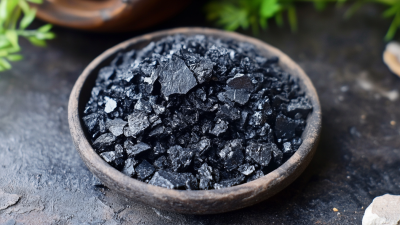
High carbon graphite petroleum coke (GPC) is an essential material widely utilized across various industries due to its superior carbon content and low impurities. As a crucial carbonizer or additive, GPC plays a significant role in the production of quality steel and cast iron, where it is imperative to maintain low sulfur levels to enhance metallurgical properties. Reports indicate that materials with a fix carbon percentage of at least 96% and sulfur content minimized to 0.03% can dramatically improve the quality of steel products, making GPC an indispensable ingredient in foundries and steelmaking processes.
Beyond metallurgical applications, high carbon GPC finds extensive use in the plastic and rubber industries, where it acts as a vital additive that reinforces products while inhibiting any undesirable chemical reactions. The incorporation of GPC into sealants and lubricants enhances performance by improving thermal stability and wear resistance, according to industry forecasts. Moreover, GPC is becoming increasingly popular in the production of electric brushes and combined brake systems, which demand high-performance materials capable of withstanding extreme conditions.
The versatility of GPC is further illustrated by specific product offerings, which can be tailored to meet diverse specifications in terms of size and carbon content. Customization allows for the creation of specialized formulations that cater to unique industrial requirements, ensuring that manufacturers have access to materials that meet stringent quality standards. With growing demand across multiple sectors, the GPC market is expected to flourish, reflecting its critical importance as a performance-enhancing additive in modern manufacturing.
FAQS
: They are used in metal casting due to their compatibility with various metals.
Their ability to withstand high temperatures makes them preferable for a stable melting environment.
They have high thermal conductivity, which reduces energy consumption during the melting process.
Regular inspections for cracks or wear are essential to prevent costly downtime.
Their lightweight design makes them easier to handle, reducing strain and fatigue during casting.
A firm grip is necessary to prevent spills and accidents during the pouring process.
They enhance surface finish and reduce inclusions in metal products due to uniform heat distribution.
Achieving the right melting point can be difficult, requiring practice and attention.
Too high a temperature can degrade the graphite and lead to imperfections in the cast.
Taking breaks allows for reflection on technique, enhancing future casting sessions.
Conclusion
Graphite crucibles are essential tools in metal casting, offering numerous advantages that enhance the efficiency and quality of the casting process. Their enhanced thermal conductivity allows for uniform and efficient heating, which is crucial for melting metals. Additionally, graphite crucibles exhibit superior resistance to high temperatures and oxidation, ensuring they can withstand the rigorous conditions of metal casting without degrading.
The durability and longevity of graphite crucibles contribute to lower replacement costs, making them a cost-effective choice for foundries. Their compatibility with various metals allows for a versatile range of applications, while their lightweight design facilitates easier handling and use. Furthermore, graphite crucibles improve the cast quality and surface finish of metal products, resulting in a more refined end product. Overall, the use of graphite crucibles significantly optimizes the metal casting process.