Leave Your Message
0%

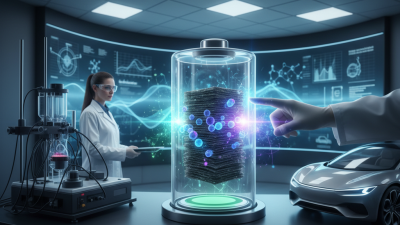
Wow, it’s pretty incredible how the surge in electric vehicle (EV) demand is really shaking up the battery tech scene. I read somewhere that by 2030, the global EV market could hit over 26 million units—that’s a huge jump! This kind of growth has a major impact on how we develop materials like Artificial Graphite Anode Material. It’s basically a key player in making batteries better—think higher energy density and longer-lasting cycles. Companies like Panasonic and SK Innovation are pouring serious money into this stuff, no doubt. But hey, it’s not all smooth sailing. Producing artificial graphite is pretty expensive, and mining for natural graphite comes with environmental concerns that we really can’t ignore.

Finding that sweet spot between top-notch performance and being eco-friendly is super important right now. The industry’s gotta figure out how to walk that line so we can enjoy electric cars without messing up the planet. As things develop, keeping an eye on innovations in Artificial Graphite Anode Material will be crucial—both for meeting the market’s needs and for staying true to our ecological responsibilities.

2026 Top Trends in Artificial Graphite Anode Material Explained?

Overview of Artificial Graphite Anode Materials in 2026

2026 Top Trends in Artificial Graphite Anode Material Explained?

In 2026, the demand for Artificial Graphite Anode Material for lithium batteries is expected to surge. According to the latest industry reports, the global market for these materials is projected to reach $3.5 billion by 2026. This growth is driven by the rapid expansion of electric vehicle (EV) production and renewable energy storage systems. Artificial graphite provides excellent cycling stability, which is critical for battery efficiency.

However, the production process raises some concerns. It often relies heavily on energy-intensive methods that can have a significant environmental impact. Many manufacturers are currently seeking ways to reduce their carbon footprint. The use of sustainable materials appears to be a key focus for companies striving to innovate in this field. Nonetheless, the transition to greener processes is not without its challenges. Manufacturers must balance cost and efficiency while also considering environmental regulations.

Looking ahead, companies should reflect on their sourcing practices. As the industry evolves, there will be more emphasis on recycling and reusing materials. The viability of Artificial Graphite Anode Material for lithium batteries in 2026 hangs in the balance. Industry stakeholders need to ensure they prioritize both innovation and sustainability. Failure to do so could hinder progress in this crucial sector.

Key Technological Advances in Artificial Graphite Production

The artificial graphite anode market is experiencing rapid evolution due to key technological advances. Current production methods have become more efficient, lowering costs while boosting performance. According to a recent industry report, advancements in synthetic graphite processing have increased yield rates by 25%. This has enabled manufacturers to meet growing demands from electric vehicle and energy storage sectors.

One notable development involves the use of innovative chemical vapor deposition techniques. These methods enhance material purity and structure, leading to better conductivity and cycle stability. However, challenges remain. For instance, the high energy consumption during production raises sustainability concerns. Additionally, the reliance on certain raw materials can lead to supply chain vulnerabilities. Industry experts highlight the need for alternative sourcing strategies to mitigate these risks.

The future of artificial graphite anodes will depend on continuous research. Increasing collaboration between material scientists and engineers is essential. Future breakthroughs may reduce environmental impact while improving overall performance. Yet, it is crucial to reflect on the balance between technology and sustainability moving forward.

Sustainability Trends in Artificial Graphite Anode Manufacturing

The sustainability trends in artificial graphite anode manufacturing are gaining attention. Environmental concerns shape manufacturing processes. A recent report noted that about 70% of graphite anodes are made using traditional methods, which are not eco-friendly. This raises questions about the impact on the environment.

Innovations focus on reducing carbon footprints. One emerging trend is recycling used batteries. A study showed that recycling can reduce the need for new raw materials by 80%. This change is critical as demand for electric vehicles surges. However, recycling technologies still face challenges and inefficiencies.

Another aspect is energy efficiency in production. Some manufacturers aim to cut energy consumption by over 30% by using renewable energy sources. Yet, many still rely heavily on fossil fuels. Addressing these disparities is essential for a sustainable future in battery technology. As the industry evolves, a balance between performance and environmental responsibility must be struck.

2026 Trends in Artificial Graphite Anode Material

This chart illustrates the key trends shaping the artificial graphite anode material market in 2026, focusing on aspects such as sustainability, cost reduction, performance optimization, recycling techniques, and overall market growth. Each segment highlights the significance of these factors in iron anode manufacturing.

Market Demand and Supply Dynamics for Graphite Anodes

The demand for artificial graphite anode materials is surging. In 2026, the market is projected to grow by over 15% annually. This growth is driven by the rise of electric vehicles and renewable energy storage. However, supply dynamics present challenges. The production process is complex and requires significant energy input.


A recent report noted that over 40% of graphite used in batteries comes from recycled materials. This shift indicates a growing emphasis on sustainability within the industry. But, dependency on recycled sources introduces variability in quality and availability. Firms must navigate this landscape carefully to maintain consistent performance.


Tips: Consider diversifying your supply sources. Explore the potential of developing partnerships with local producers. Wholesale Artificial Graphite Anode Material becomes crucial during this transition. Assess your options thoroughly to mitigate risks associated with supply shortages. Balancing quality and sustainability remains essential in future investments.

Comparative Analysis of Artificial vs. Natural Graphite Anodes

The choice between artificial and natural graphite anodes significantly impacts battery performance. Artificial graphite anodes are often praised for their consistency and purity. They have a uniform structure, which enhances their electrochemical stability. On the other hand, natural graphite anodes vary in quality, leading to inconsistent performance. This variability can pose challenges in manufacturing processes.

Many manufacturers consider the cost factors. Cheap Artificial Graphite Anode Material offers a reliable option for high-demand applications. However, the initial investment can be higher compared to natural graphite. While the performance of artificial graphite is generally superior, the long-term sustainability of natural sources raises concerns.

When analyzing environmental impacts, natural graphite mining is often criticized. It can lead to land degradation and water pollution. In contrast, artificial options can utilize recycled materials. This presents an opportunity to reduce the overall carbon footprint. However, the energy required for their production must also be evaluated. It’s not all clear-cut; manufacturers must weigh the pros and cons carefully.

Applications of Artificial Graphite Anodes in Energy Storage Solutions

Artificial graphite anodes are gaining prominence in energy storage solutions. Their effective conductivity and stability make them ideal for batteries. According to a recent market report, the demand for artificial graphite anodes is expected to rise by 15% annually through 2026. This growth stems from the increasing need for efficient energy storage in electric vehicles (EVs) and renewable energy systems.


The application of artificial graphite in lithium-ion batteries is particularly notable. These anodes enhance the energy density of batteries, providing longer life cycles. Furthermore, they operate well at high charging rates, which is essential for fast-charging technology. However, challenges remain. Issues like sourcing raw materials sustainably and managing production costs need careful consideration. The disparity between supply and demand could impact pricing in the near future.


Emerging technologies in energy storage are also influencing the landscape. For instance, the integration of artificial graphite with silicon-based materials shows promise. This hybrid approach could lead to breakthroughs in performance. Yet, the long-term stability of such innovations remains uncertain. Balancing performance enhancements with production viability will be crucial for the industry's future.

Future Challenges and Opportunities in Graphite Anode Development

The development of artificial graphite anode materials faces various challenges. One major issue is optimizing their performance. Achieving the right balance between energy density and cycle stability remains difficult. Many researchers experiment with new compositions. Not all attempts yield successful results. This inconsistency can hinder advancement in the industry.

Future opportunities exist in improving manufacturing techniques. Advances in nanotechnology might enhance the properties of graphite anodes. Implementing environmentally friendly processes will also be crucial. Investors seek the Best Artificial Graphite Anode Material with minimal ecological impact. Collaboration between academia and industry could lead to breakthroughs. More partnerships may foster innovation while addressing challenges.

Understanding real-world applications is essential for growth. Market demand for sustainable energy solutions encourages research. As electric vehicles and renewable energy systems grow, so will the need for efficient anodes. Continuous improvement and adaptation will shape the future of graphite anode development. The journey is complex, and reflection on past efforts can guide next steps.

FAQS

: What is the main purpose of the service?

: The service aims to connect users with relevant resources. It helps in information sharing.

How can I start using the service?

You need to create an account. Follow the easy registration steps provided on the website.

Is there a fee for using the service?

Basic access is typically free. However, some features may require a payment.

Can I access the service on mobile devices?

Yes, the service is available on mobile. It offers a responsive design for easy use.

What should I do if I encounter technical issues?

Reach out to customer support. They can help troubleshoot most problems quickly.

How do I provide feedback about the service?

Feedback can usually be submitted through an online form. Your insights help improve the service.

Can I change my account settings later?

Yes, users can modify their account settings at any time. Just access the settings menu.

What happens if I forget my password?

There is a password reset option. Follow the prompts to recover your account access.

Is my personal information safe?

User data is kept confidential. However, consider reviewing the privacy policies. It's always good to stay informed.

Can I delete my account?

Yes, account deletion is possible. Look for the option in your account settings. Reflect on this decision first.

Conclusion

The article "2026 Top Trends in Artificial Graphite Anode Material Explained" provides a comprehensive overview of the advancements and market dynamics surrounding Artificial Graphite Anode Material. It details the significant technological innovations improving production efficiency, as well as the increasing emphasis on sustainability practices within the manufacturing process. The demand for artificial graphite anodes is driven by the growing energy storage solutions market, highlighting their critical role in battery technology.

Additionally, the article offers a comparative analysis of artificial versus natural graphite anodes, showcasing their respective advantages and applications. It concludes by addressing potential challenges and opportunities in the future development of graphite anodes, signaling a transformative period for artificial graphite anode materials as they become essential components in the transition to sustainable energy solutions.
Sophie

Sophie

Sophie is a dedicated marketing professional at Tianjin Dongmaite Carbon Co., Ltd., where she has established herself as an expert in the field of carbon materials. With a deep understanding of the company's products and their applications, Sophie plays a crucial role in communicating the value and......
Previous Understanding Global Trade Regulations for Raw Petroleum Coke Procurement